







Search Results for: Secondary Flow Cut
How to Raise Coffee Seedlings and Establish a Plantation? A Systematic Cultivation Guide from Propagation and Planting to Pruning and Fertilization
The flavor foundation of a good cup of coffee is laid the moment the seed touches the soil. This article systematically outlines the complete technical chain of coffee from seedling propagation to plantation management: seed collection and washing in seed propagation, nursery establishment, germination acceleration and transplanting, and seedling-stage care; the key operational points of cutting and grafting in asexual propagation; and then extends to coffee plantation site selection and planning, land clearing and field planting, shade tree configuration, single-stem and multi-stem training and pruning techniques, as well as soil management measures such as weeding and mulching, deep plowing and soil improvement, and irrigation and fertilization. For enthusiasts who wish to gain a deeper understanding of the logic of coffee cultivation and build a systematic awareness from origin to cup, this is a solid technical reference. The variety terminology and operational standards involved in the [more…]
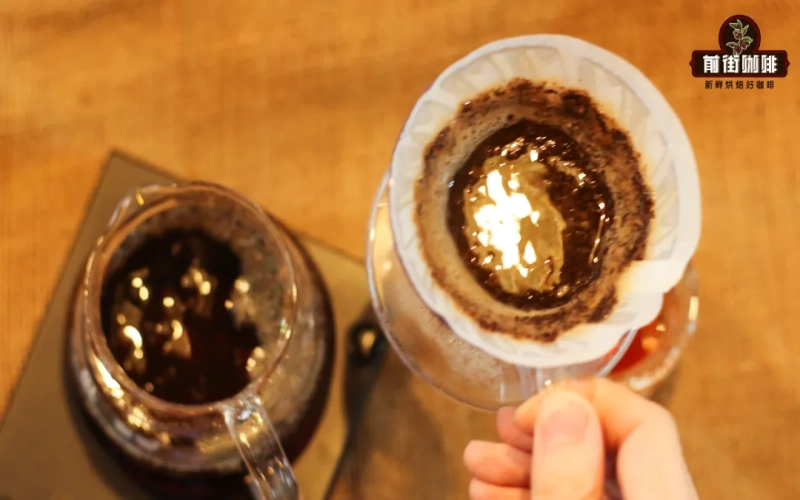
What Is the Second Pour Cutoff in Pour-Over Coffee? A Full Breakdown of the Principle and Practical Parameters
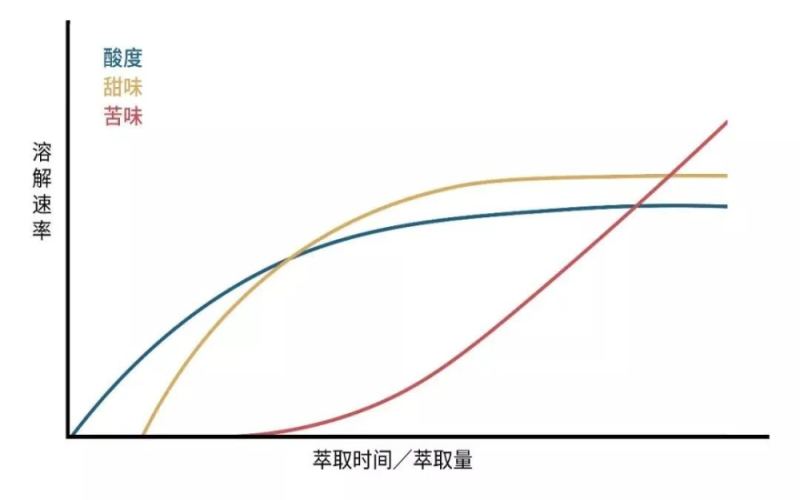
In pour-over coffee, bypassing is usually only applied at the end of extraction to avoid undesirable flavors. But at last year's world coffee competitions, some competitors tried "double bypass"—in addition to bypassing the tail end, they also removed the coffee liquid from the blooming phase. It is said that this approach can reduce acidity and bitterness while enhancing sweetness, and many bloggers who replicated it reported that it was indeed effective. This article starts from Front Street Coffee's perspective, combines dissolution rate theory, analyzes the feasibility of this operation, and uses Front Street Kenya Small Tomato to conduct comparative experiments between regular brewing and double bypass, recording differences in liquid weight, flavor, and mouthfeel, for coffee enthusiasts' reference. [more…]
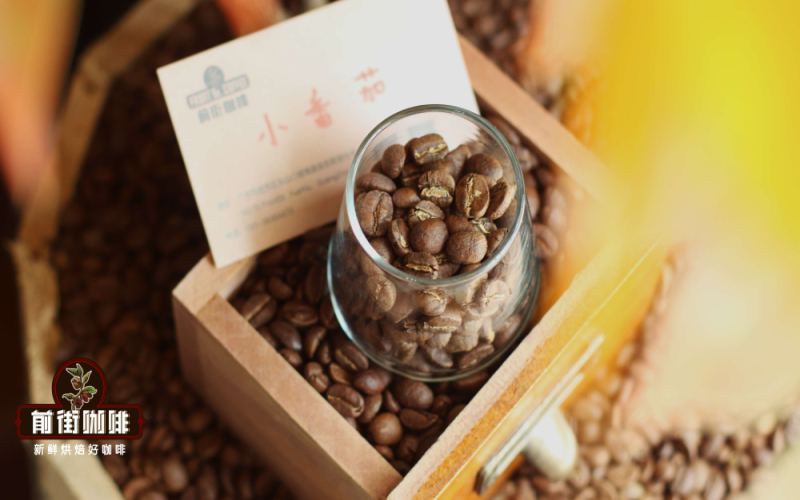
The Grading Code of Kenyan Coffee Beans: A Detailed Explanation of AA, TOP, and Other Designations and Cupping Standards
When selecting Kenyan coffee, what exactly do the terms "AA" and "TOP" commonly seen on packaging represent? This article systematically sorts out Kenya's coffee grading system, from the bean size grading under the 1934 auction system (AA, AB, PB, C, E, TT, T, MH/ML) to the secondary quality ratings established by the Kenya Coffee Research Institute (TOP, Plus, FAQ), and analyzes the comprehensive scoring mechanism across the three dimensions of green beans, roasted beans, and cupping. It also presents the producing region information and brewing parameters of Front Street Kenya Little Tomato coffee beans, helping you understand the practical meaning behind the grading labels. [more…]

Why does Luckin Coffee's packaging design keep going viral? The brand communication logic behind paper bag secondary creation.
After finishing a cup of Luckin Coffee, the taste may soon be forgotten, but the paper bag is often kept. In recent years, Luckin has continued to attract consumer attention through its packaging design. From co-branded editions to seasonal limited editions, from coffee-region themes to holiday specials, materials such as paper bags and cup sleeves not only serve a containing function but have also become carriers that consumers spontaneously collect, repurpose, and share. This article analyzes how Luckin uses a single piece of paper to achieve deep interaction between the brand and consumers from the perspectives of design strategy, environmental philosophy, and social communication, and explores brand development ideas that independent coffee shops can learn from. [more…]
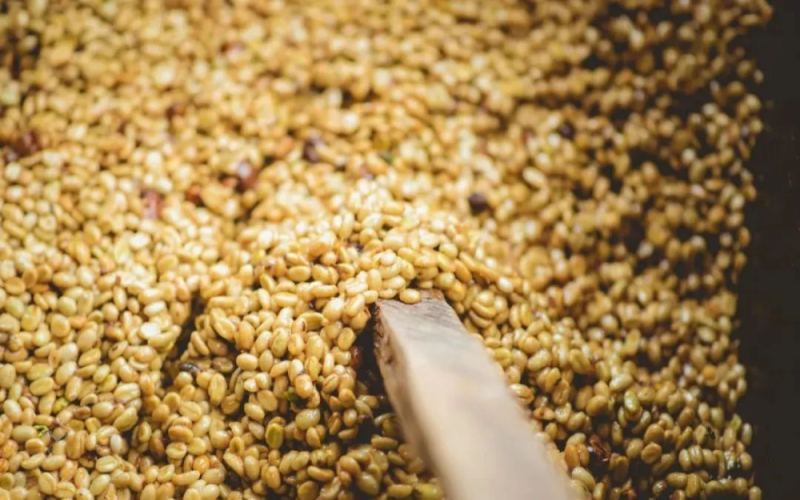
Where Does the Acidity in Colombian Coffee Come From? A Detailed Guide to Regional Terroir, Grading Standards, and Front Street Recommendations
Colombian coffee is often described as smooth in body, bright in acidity, and well balanced in flavor, and these characteristics are inseparable from its unique geographical environment. This article systematically examines the sources of acidity and the quality system of Colombian coffee, from Colombia's growing conditions, the background of the FNC's establishment, and the green bean grading system, to the flavor profiles of specialty regions such as Huila, and on to distinctive beans on Front Street Coffee's menu such as Sidra and Maragogipe, giving you a comprehensive understanding of this coffee nation known as "green gold." [more…]
An Analysis of the Grading Differences Between Kenya Black Tea Grade 1 and Grade 2 and Their Quality Characteristics
Kenya is not only a tourist destination, but also an important black tea producing region globally. Since the introduction of tea cultivation in 1903, Kenya has developed into the world's third-largest tea producer and exporter. Local tea gardens are mainly distributed in the highlands of the East African Rift Valley, with the industry structure composed of large estates and smallholder cooperatives, among which KTDA manages over 60% of the output. Kenyan black tea is primarily processed using the CTC method, producing a strong and bright liquor that is highly favored in the international market. This article will provide a detailed analysis of the grading system for Kenyan black tea, including the specific differences between main grades such as BP1, PF1, D1, PD, F1, and secondary grades, helping coffee and tea enthusiasts gain a comprehensive understanding of the quality characteristics and classification logic of Kenyan black tea. [more…]
In-Depth Analysis of Colombian Supremo Coffee: Top-Tier Flavors Nurtured by the Andes and the Characteristics of the Huila Region
Colombian coffee is renowned worldwide for its smooth body, vibrant fruit acidity, and balanced flavor, thanks to the unique microclimate and volcanic ash soil of the Andes Mountains. This article covers everything from Colombia's coffee-growing environment, the regulatory role of the FNC, the green bean grading system, and the specific standards for Supremo coffee, to the flavor characteristics of the Huila region and brewing recommendations for Front Street Coffee's everyday beans—presenting a complete picture of Colombian Supremo coffee and guiding you to a deeper understanding of the core appeal of this world-famous coffee origin. [more…]
Colombia Huila Coffee Flavor Analysis: A Complete Guide to Acidity, Flavor Layers, and Brewing Parameters
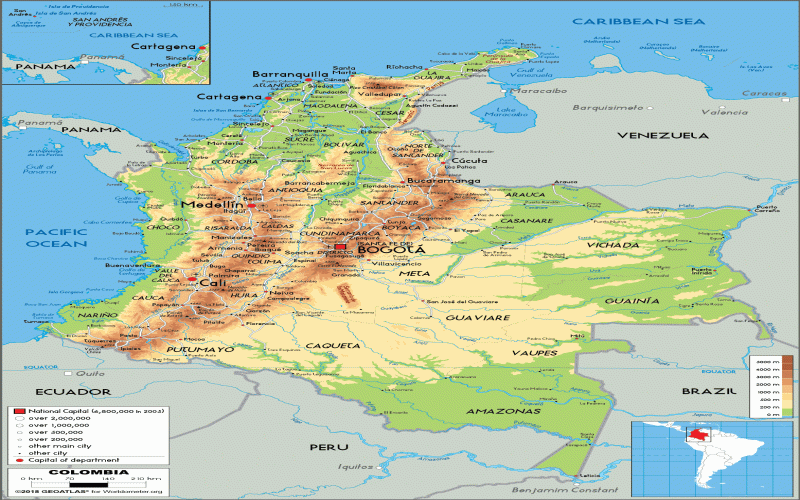
Colombian coffee is often described as having a round mouthfeel, bright fruity acidity, and balanced flavor, which is closely tied to its unique geographical conditions—straddling the equator with the Andes mountain range running through the entire country. This article begins with Colombia's coffee-growing environment, the role of the FNC association, and the green bean grading system, with a focus on the flavor characteristics of the southern Huila producing region. Huila Province has high altitude, abundant water, and fertile volcanic soil; the Arabica coffee it produces carries nutty and chocolate aromas, with prominent caramel sweetness and a clean, smooth entry. Front Street Coffee has included it in its high-value everyday drinking bean series, using washed processing, medium grinding, and medium-temperature brewing to showcase the typical Colombian style. [more…]

The trend of upcycling Luckin paper bags has sparked a wave of creativity, with netizens crafting free brand merchandise that has drawn official interaction.
When coffee packaging bags meet infinitely creative netizens, what kind of sparks will fly? Luckin Coffee's paper bags have recently become a new favorite among DIY enthusiasts, from simple doodles and handwriting practice to complex mini store models, all kinds of transformed works are emerging one after another. This craze has not only turned ordinary paper bags into personalized collectibles, but also attracted more than 2 million netizens to participate in the interaction, and even the official account couldn't help but like and repost. This article will take you through this creative feast triggered by paper bags, to see how consumers use their own hands to give brand packaging a second life, and what kind of marketing inspiration this spontaneous spread brings to the brand. [more…]

What Exactly Is Flow Cut-off in Pour-Over Coffee? An In-Depth Look at Why It's Not Recommended to Cut the Flow Casually
In the world of pour-over coffee, the technique of "flow cutoff" is regarded by many beginners as a clever trick to avoid over-extraction—by simply removing the dripper early during the extraction, it seems you can shut bitterness out. However, Front Street Coffee has found that this seemingly smart approach actually hides a misconception: flow cutoff cannot truly stop the release of bitter compounds, and it may instead strip away the coffee's rich layers and lingering aftertaste. So how exactly is bitterness dissolved? Why can't flow cutoff stop bitterness? In what scenarios is using flow cutoff correct and necessary? This article, drawing on Front Street Coffee's brewing experience, will answer these questions one by one, helping you make a clearer brewing decision between the coffee-to-water ratio and the coffee-to-beverage ratio. [more…]
Analyzing the Practical Effects of a Secondary Dispersion Screen in Coffee Extraction: Can It Improve a Soggy Puck, and Is the Bomber Version Worth Buying?
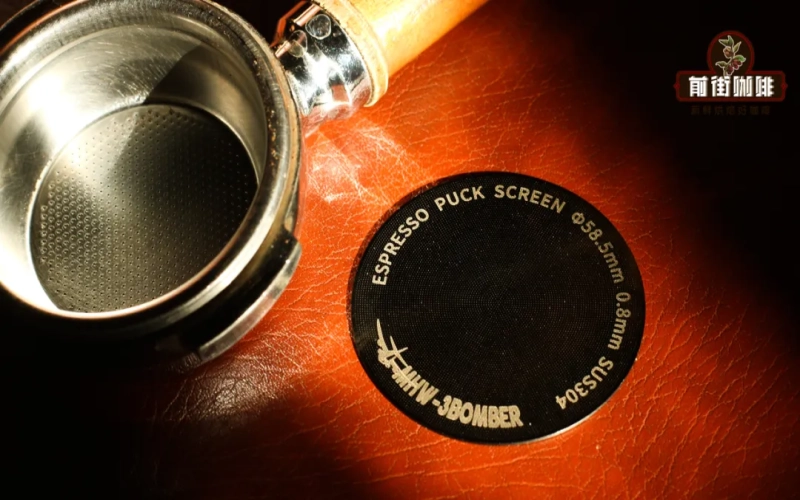
Recently, a compact metal accessory has been generating quite a bit of discussion in the coffee community. Many enthusiasts see it as a handy tool for simplifying the extraction process—the secondary dispersion screen. What changes can this metal disc actually bring? Can it truly solve the common problem of wet, crumbly pucks after espresso extraction? In this issue, Front Street will analyze the core functions of the secondary dispersion screen, and combine that with hands-on experience using related products from the Bomber brand to provide an objective reference for coffee lovers who are still on the fence. [more…]
After an espresso extraction is interrupted, can it be resumed? Testing the impact of segmented extraction on flavor and flow rate
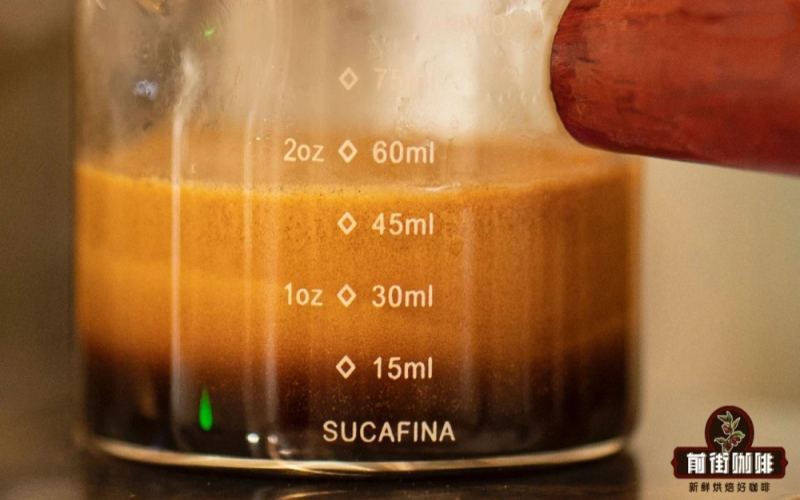
When making espresso, extraction occasionally ends prematurely due to an accidental touch or oversight. Some people wonder: since it wasn't extracted enough, can we just press the button again to continue extracting, like with pour-over? Front Street used the Warm Sun blend to conduct a comparative experiment, testing three scenarios: normal extraction, extraction resumed after being interrupted midway, and extraction resumed after being interrupted near the end. The results showed that after restarting, the flow rate was extremely fast, the color was pale, and the flavor was noticeably thin; even with further extraction, it was difficult to fully extract the remaining substances. This article will start from the principle of pressurized extraction in espresso machines to explain why the same puck is not suitable for secondary extraction, and what the more reliable approach is when an accidental interruption occurs. [more…]
Detailed Guide to Brewing Phoenix Dancong Oolong Tea: Water Temperature and Timing to Unlock the Tea's Aroma
The subtle differences in brewing water temperature often determine the direction of a tea's flavor. The correct water temperature can awaken the hidden aromas and tastes in the tea leaves, while the wrong water temperature may make the tea bitter or bland. Taking Front Street's Phoenix Dancong oolong tea as an example, this article provides a detailed analysis of the ideal brewing temperatures for different tea types, and explores the relationship between water temperature and tea processing methods, oxidation levels, and polyphenolic compounds. At the same time, we will also share practical water temperature control techniques and recommend Front Street brand's Phoenix Dancong products, helping you easily master the optimal water temperature and timing in everyday brewing, and fully release the unique charm of oolong tea. [more…]

A Comprehensive Comparison of the One-Pour and Three-Pour Hand-Brew Methods: Core Differences, Pros and Cons, and Key Steps for the One-Pour Technique
The pouring method in pour-over coffee directly affects the flavor in the cup, and the one-pour and three-stage methods are the two most common approaches. The one-pour method divides the target water volume into two pours, finishing the remaining water all at once after blooming; its name comes from the "one cut, two pieces" concept in Japanese swordsmanship, and though it appears simple, it is the hardest to control. The three-stage method divides the water into multiple pours, giving the brewer more time and opportunities to adjust extraction, with a noticeably higher margin for error. Front Street Coffee has found in daily practice that beginners using the one-pour method often encounter problems such as weak flavor, sharp acidity, and a flat, one-dimensional profile, the root cause being that nearly ninety percent of the water is poured in a single go, leaving no room for correction. This article will systematically sort out the differences between the two methods, analyze the effects of flow rate and pour height on extraction, and explain what techniques and parameter conditions are required to brew good coffee with the one-pour method. [more…]
Colombian Specialty Coffee Bean Flavor Analysis: From the Andes Mountain Growing Regions to Washed Processing and the Grading System
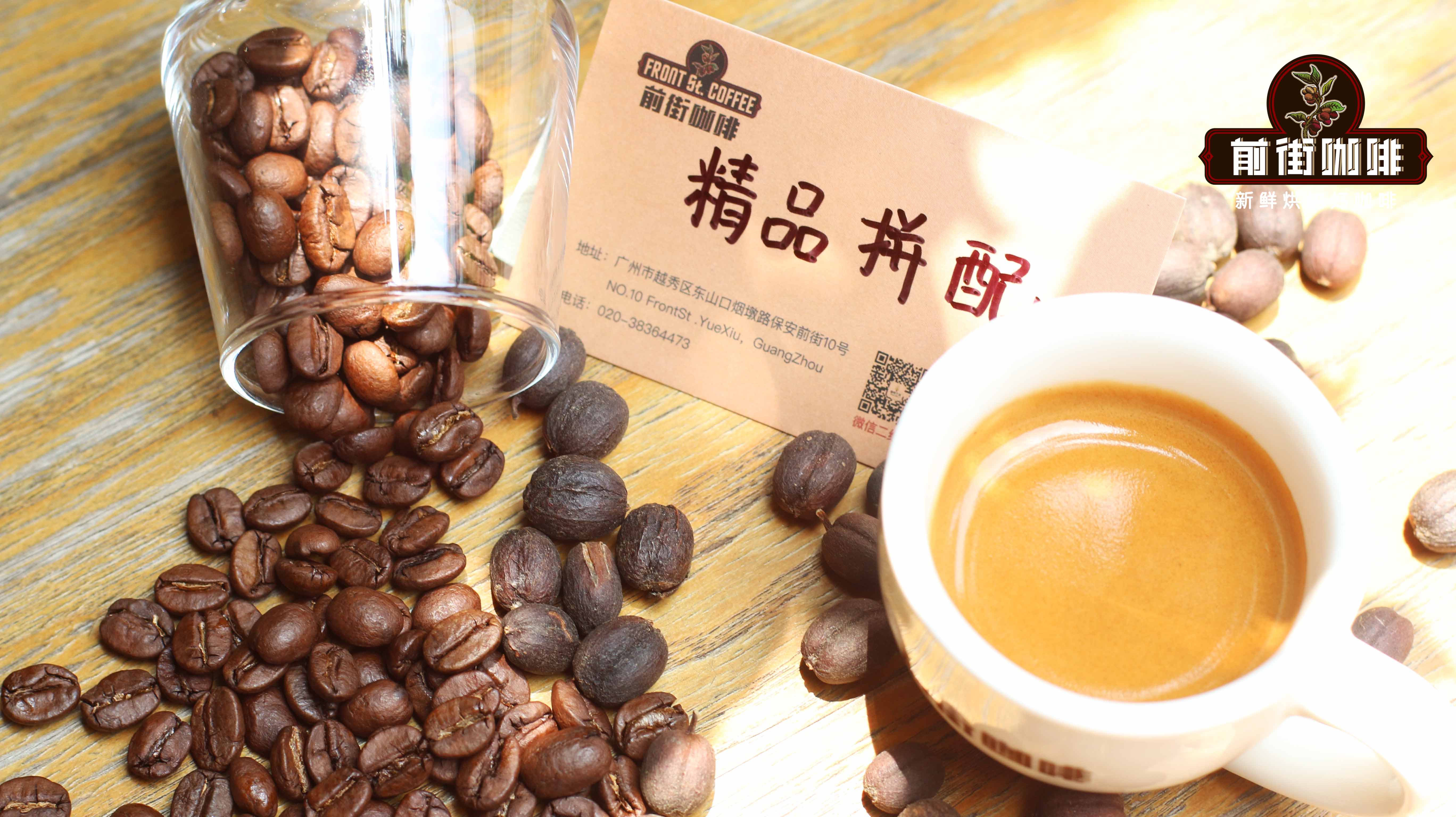
Colombian coffee occupies an important place in the global coffee market thanks to its mild acidity, its rich, full-bodied notes of dark chocolate and roasted nuts, and its caramel-like sweetness. The skillful balance of sour, sweet, and bitter flavors makes it a common choice for espresso blends, and Front Street Coffee's specialty blend includes beans from Colombia. This article will take you through an in-depth look at the growing environment, main producing regions, grading system, and processing methods of Colombian specialty coffee beans, and introduce several Colombian single-origin everyday beans from Front Street Coffee worth trying, so you can experience the unique flavors nurtured by the Andes Mountains. [more…]
When to Stop Pouring in Pour-Over Coffee? An Analysis of the Relationship Between the Cut-Off Technique and Brewing Methods
In the practice of pour-over coffee, "cutting off the flow" is a frequently mentioned yet easily confused concept. It refers to removing the dripper from the carafe before the extraction process is fully complete, thereby interrupting the flow of water. Whether cutting off the flow is necessary and at what point to do it are closely related to the brewing method being used. This article will explain the definition of cutting off the flow, the scenarios in which it applies, and its relationship with different brewing methods. At the same time, drawing on Front Street Coffee's brewing experience, it aims to help enthusiasts understand the actual impact of cutting off the flow on flavor presentation and to offer operational ideas for reference. [more…]

Analysis of Six Classic Pour-Over Coffee Brewing Methods: Techniques and Flavor Differences from One-Pour to Stirring
The charm of pour-over coffee lies in its rich and varied brewing methods, with different techniques bringing out completely different flavor expressions. This article systematically sorts out six common pour-over techniques—one-pour flow, three-stage, four-six method, three-temperature brewing method, volcano pour, and stirring method—explaining in detail the operational key points, applicable scenarios, and flavor characteristics of each technique. From the logic of dividing pouring stages to extraction strategies based on water temperature changes, from adjusting grind size to the influence of stirring intensity on fine particle migration, the content balances theoretical principles with practical details. The article also specifically shares the three-stage brewing parameters used daily at Front Street Coffee, as well as the grinding solutions offered to address the easy over-extraction problem of the four-six method, making it suitable for coffee enthusiasts who wish to refine their brewing skills. [more…]
Analysis of Six Major Pour-Over Coffee Extraction Methods: Comparing the Characteristics of One-Pour, Three-Stage, 4:6 Method, Santai Warm, Volcano Pour, and Stirring Method
The charm of pour-over coffee lies in its ever-changing brewing methods, where different techniques bring out completely different flavor expressions. This article will systematically break down six common pour-over techniques—one-pour, three-stage, 4:6 method, three-temperature brewing, volcano pour, and agitation method—analyzing each one from water-pouring logic and parameter settings to flavor direction. Whether you're a beginner just getting into pour-over or an advanced player looking for a breakthrough, you'll find a key that suits you. At the same time, Front Street Coffee will also share its most commonly used three-stage brewing experience, helping you understand the underlying principles of flavor release, so you can draw inferences and apply them flexibly. [more…]
A Detailed Guide to Six Pour-Over Coffee Brewing Methods: Flavor Comparison of One-Pour, Three-Pour, 4:6 Method, Three-Temperature, Volcano Pour, and Stirring Method
The charm of pour-over coffee lies in the diversity of brewing methods; different pouring techniques directly affect the flavor expression and mouthfeel layers of the coffee. This article systematically sorts out six common pour-over techniques: the one-pour method, the three-stage method, the 4:6 method, the three-temperature brewing method, the volcano pour, and the stirring method. From the number of pouring stages, coffee-to-water ratio, extraction time, to grind adjustment, it analyzes one by one the principles and applicable scenarios behind each method, helping coffee enthusiasts understand the release order of sour, sweet, and bitter substances, and choose the most suitable brewing strategy according to the characteristics of the beans, so as to consistently brew a good cup of coffee that suits their own taste. [more…]
A Comprehensive Analysis of the Catuai Coffee Variety: From Breeding Origins to Flavor Profile and Pour-Over Practice
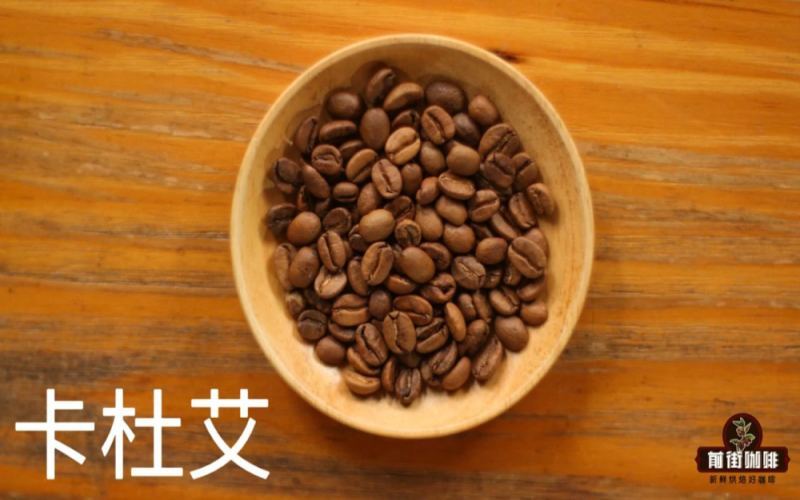
Catuai is an excellent variety in the coffee world that combines both yield and quality. It was bred by the Agricultural Institute of São Paulo State in Brazil, originating from a cross between Mundo Novo and Yellow Caturra. It inherited its parents' high yield, disease resistance, and fine acidity, and because its short stature facilitates dense planting and management, it has taken root widely across Central and South America. This article will begin with Catuai's breeding history, variety characteristics, and its spread through Central America, and then combine these with the sun-dried Catuai from Elida Estate in Panama offered by Front Street Coffee to present in detail its flavor performance and pour-over brewing parameters, providing coffee enthusiasts with a complete reference for understanding and tasting this variety. [more…]